
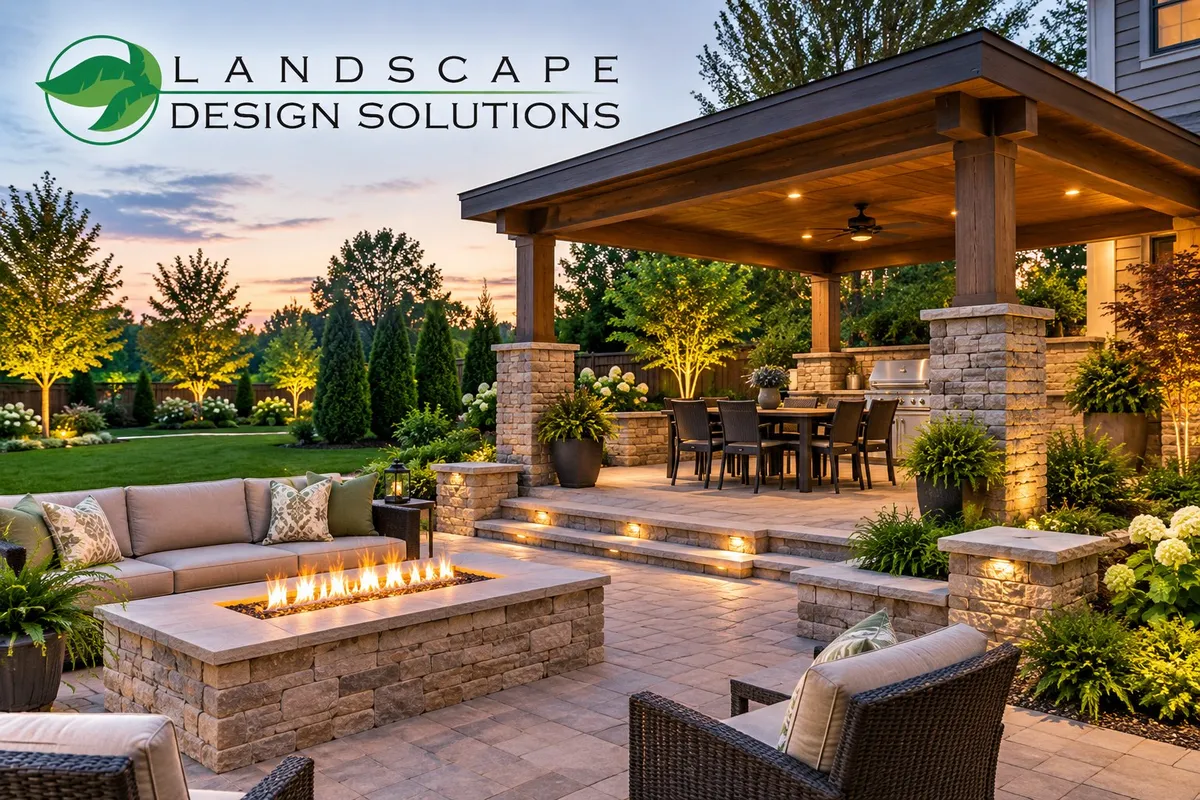
How to Design an Outdoor Living Space for Year-Round Enjoyment in Central Ohio
Creating a beautiful backyard is one thing. Creating an outdoor living space that you can enjoy throughout much of the year in Central Ohio takes a little more planning.
Columbus homeowners experience everything from warm summer afternoons to crisp fall evenings and cold winter weather. A well-designed outdoor space should account for those changing conditions while giving you comfortable places to relax, entertain, dine, and spend time with family.
The key is to think beyond a single patio or landscaping feature. By combining hardscaping, shelter, gathering areas, plantings, lighting, and other outdoor elements into one cohesive design, your backyard can become a true extension of your home.
Start with How You Want to Use the Backyard
Before choosing materials or deciding where a patio should go, think about what you actually want to do outside.
Do you envision large family gatherings? Quiet evenings around a fire? Outdoor dining? A place where children can play while adults relax nearby?
For many homeowners, the answer is a combination of several things. That's why identifying the space's primary uses early in the design process is so important.
A backyard designed around how you live will generally be more useful than one designed around individual features that happen to look attractive.
Create Defined Outdoor Living Areas
Inside your home, different rooms have different purposes. Your backyard can work much the same way.
A comprehensive landscape design can establish individual outdoor areas for activities such as:
Dining and grilling
Relaxing and conversation
Entertaining guests
Gathering around a fire
Gardening
Open lawn and recreation
Quiet areas for reading or unwinding
These areas don't necessarily need walls or physical barriers. Changes in hardscape materials, plantings, elevation, furniture placement, or landscape borders can subtly establish separate spaces while keeping the entire backyard visually connected.
Make the Patio the Foundation of the Space
For many Central Ohio homes, a patio becomes the backyard's primary gathering area.
Its size and location should reflect how it will actually be used. A patio intended for a small seating arrangement requires very different planning than one designed to accommodate dining, cooking, entertaining, and multiple seating areas.
Material selection also matters. Pavers and other durable hardscape materials can introduce texture, pattern, and architectural character while creating a long-lasting surface for outdoor living.
The patio shouldn't feel like a separate slab placed behind the house. Ideally, it should visually connect the home's architecture with the surrounding landscape.
Add Shelter for Sun and Changing Weather
One of the best ways to extend the usefulness of an outdoor space is to provide some type of overhead protection.
Gazebos, pergolas, covered structures, and other outdoor construction features can create comfortable destinations within the landscape while offering varying degrees of shade and weather protection.
A covered gathering space can be particularly valuable during hot summer afternoons or when light rain would otherwise send everyone indoors.
When incorporated into the original landscape plan, these structures can also become attractive architectural features rather than looking like later additions.
Design Around a Fire Feature
Few backyard features naturally bring people together like fire.
A fire pit or other outdoor fire feature can establish a gathering area while making cool spring and fall evenings considerably more enjoyable. In the right setting, it can also become a dramatic visual focal point within the landscape.
Placement is important. The surrounding space should provide comfortable circulation and seating while considering nearby structures, landscaping, and other outdoor features.
Instead of treating the fire area as an isolated feature, incorporating it into the overall landscape design helps it feel like a natural part of the backyard.
Use Hardscaping to Connect the Property
Patios may be the primary gathering areas, but walkways, steps, retaining features, borders, and other hardscape elements help connect everything together.
A pathway might lead from the main patio to a gazebo, garden, lawn, or secondary seating area. Changes in paving patterns or materials can also indicate transitions between different outdoor spaces.
Thoughtful hardscape design creates structure and helps people naturally understand how to move through the property.
Choose Landscaping for Seasonal Interest
Central Ohio's changing seasons provide an opportunity to create a landscape that looks different throughout the year.
A thoughtful planting design can combine trees, shrubs, perennials, ornamental grasses, and other plants that provide varying periods of bloom, foliage color, texture, and structure.
Rather than designing exclusively for summer, consider what the landscape will look like in spring, fall, and even winter.
Evergreens can provide year-round structure, ornamental grasses can maintain visual interest late into the season, and carefully selected trees and shrubs can introduce dramatic fall color.
The result is a landscape that continues to enhance the property's beauty even when the backyard isn't used every day.
Plan for Outdoor Lighting
Shorter days shouldn't automatically mean the end of outdoor enjoyment.
Well-designed landscape lighting can illuminate walkways, patios, steps, outdoor structures, trees, and architectural features while creating a completely different atmosphere after sunset.
Lighting can also help define outdoor rooms. A softly illuminated dining area, highlighted landscape feature, or warm gathering space beneath a gazebo can make the backyard feel inviting long after daylight disappears.
The goal isn't to flood the property with light. Strategic placement typically creates a much more comfortable and sophisticated effect.
Consider Privacy When Planning Gathering Areas
An outdoor space is much easier to enjoy when it feels comfortable and private.
Consider neighboring homes, streets, and surrounding properties when deciding where patios, seating areas, and gathering spaces will be located.
Trees, shrubs, layered plantings, landscape structures, and thoughtful positioning can help screen unwanted views without making the backyard feel closed in.
Privacy is often most effective when it's incorporated into the initial design rather than addressed after the project is complete.
Plan for Drainage from the Beginning
Beautiful outdoor spaces also need to function properly when the weather isn't perfect.
Patios, walkways, retaining features, planting areas, and changes in elevation can all affect how water moves across a property. Drainage should therefore be considered before hardscape construction begins.
Proper grading and thoughtful design can help direct water away from important structures and prevent areas of the landscape from becoming unnecessarily wet or difficult to maintain.
It's one of those elements homeowners may rarely notice when it's done correctly—but quickly notice when it isn't.
Choose Materials That Complement Your Home
A new outdoor living space should feel connected to the house rather than appearing as an entirely separate environment.
Hardscape colors, textures, patterns, stone, wood, and structural materials can all be selected to complement the home's architecture.
That doesn't mean everything needs to match perfectly. Often, complementary materials create a more interesting design while maintaining visual continuity between indoor and outdoor spaces.
The goal is to make the finished landscape feel as though it belongs with the home.
Think About the Entire Project Before Construction Begins
One of the biggest advantages of professional landscape design is seeing the entire outdoor environment before individual components are built.
Even if a project will be completed in stages, having a comprehensive plan can prevent today's improvement from interfering with tomorrow's addition.
A patio can be positioned with a future gazebo in mind. Walkways can anticipate additional gathering areas. Plantings can be placed so they won't need to be removed when another outdoor feature is constructed.
Planning ahead can ultimately produce a more cohesive landscape while reducing unnecessary changes later.
Create an Outdoor Space Built for Central Ohio Living
The best outdoor living spaces aren't simply beautiful when they're completed. They're designed around how homeowners want to live for years to come.
By combining thoughtful landscape design, hardscaping, outdoor structures, seasonal plantings, lighting, and functional gathering areas, a Central Ohio backyard can become much more than unused space behind the house.
Landscape Design Solutions creates custom outdoor environments throughout Columbus and Central Ohio, bringing landscape design, hardscaping, and outdoor construction together to create spaces designed around each home, property, and lifestyle.
Whether you're considering a patio, gazebo, new landscaping, or a complete backyard transformation, beginning with a comprehensive design can help turn separate ideas into one extraordinary outdoor environment.
Frequently Asked Questions
What features can help extend the use of an outdoor living space in Ohio?
Covered structures, fire features, landscape lighting, durable hardscaping, comfortable gathering areas, and thoughtful protection from sun and wind can all help homeowners enjoy their outdoor spaces during more of the year.
Should a patio be designed before the rest of the landscaping?
Ideally, plan the patio and surrounding landscape together. Considering hardscaping, plantings, walkways, structures, drainage, and future improvements as one project can create a more cohesive finished space.
Can an outdoor living project be completed in phases?
Yes. A comprehensive landscape plan can make phased construction much easier because future features can be considered before the first stage begins. This can help prevent existing landscaping or hardscaping from having to be altered later.
Explore More Outdoor Living Ideas
Planning a complete backyard transformation? Explore professional landscape design in Columbus to create an outdoor environment tailored to your home and lifestyle. You can also learn more about custom hardscaping and outdoor living solutions for patios, gathering spaces, walkways, and other outdoor features.
Disclaimer: This article is intended for general informational and entertainment purposes only and should not be considered professional advice. Always consult a qualified professional regarding your specific needs or circumstances.